Stroke is one of the leading causes of disability and death worldwide, and India is no exception. However, the country has made remarkable progress in medical technology and neurological care over the past decade. Today, Advanced Stroke Treatment in India is becoming increasingly accessible, offering patients faster diagnosis, innovative treatment options, and better recovery outcomes. With world-class hospitals, skilled neurologists, and advanced medical equipment, India has emerged as a reliable destination for stroke treatment and rehabilitation.
Understanding Stroke and Its Impact
A stroke occurs when the blood supply to the brain is interrupted, either due to a blockage (ischemic stroke) or bleeding (hemorrhagic stroke). When brain cells are deprived of oxygen and nutrients, they begin to die within minutes. This is why stroke is considered a medical emergency that requires immediate treatment.
Common symptoms of stroke include sudden weakness or numbness in the face, arm, or leg—especially on one side of the body. Patients may also experience confusion, difficulty speaking, blurred vision, severe headache, or loss of balance. Early recognition and rapid medical response are crucial for reducing brain damage and improving recovery chances.
Why India Is Advancing in Stroke Care
India’s healthcare system has rapidly evolved, especially in the field of neurology and emergency medicine. Many hospitals across major cities such as Delhi, Mumbai, Chennai, and Hyderabad now operate specialized stroke units equipped with advanced imaging technology, robotic surgical systems, and 24/7 emergency care.
Highly trained neurologists, neurosurgeons, and rehabilitation specialists work together to provide comprehensive care for stroke patients. This collaborative approach ensures that patients receive timely diagnosis, accurate treatment, and structured recovery programs.
Additionally, the cost of treatment in India is often significantly lower compared to Western countries, making high-quality stroke care more accessible to both domestic and international patients.
Modern Techniques Used in Stroke Treatment
Medical advancements have transformed the way stroke is treated. In India, hospitals now use several modern techniques that help minimize damage and improve survival rates.
One of the most effective treatments for ischemic stroke is thrombolysis. This procedure involves administering clot-dissolving medication to restore blood flow to the brain. When given within the first few hours after symptoms appear, thrombolysis can significantly reduce long-term disability.
Another breakthrough is mechanical thrombectomy, a minimally invasive procedure where doctors use specialized devices to physically remove a blood clot from the brain. This treatment has shown impressive results for patients with severe strokes.
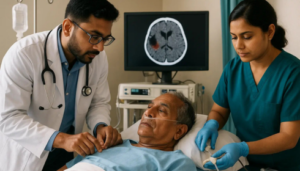
Advanced imaging technologies such as CT scans, MRI scans, and angiography also play a critical role in stroke management. These tools help doctors quickly identify the type of stroke and determine the most effective treatment plan.
Importance of Early Diagnosis and Emergency Care
Time is one of the most critical factors in stroke treatment. The faster a patient receives medical care, the higher the chances of recovery. Many hospitals in India now follow the “Golden Hour” concept, which emphasizes immediate treatment within the first hour after stroke symptoms appear.
Emergency stroke response teams are trained to evaluate patients quickly, perform imaging tests, and begin treatment without delay. This rapid response system has helped improve survival rates and reduce long-term complications.
Public awareness campaigns have also played an important role in encouraging people to recognize stroke symptoms early and seek medical help immediately.
Rehabilitation and Recovery After Stroke
Stroke treatment does not end with emergency care. Rehabilitation is an essential part of the recovery process, helping patients regain lost abilities and improve their quality of life.
Rehabilitation programs in India often include physiotherapy, speech therapy, occupational therapy, and psychological support. These therapies help patients rebuild strength, improve coordination, and regain independence in daily activities.
Advanced rehabilitation centers also use robotic therapy, virtual reality exercises, and neuro-stimulation techniques to support faster recovery.
Why Patients Choose India for Stroke Treatment
Many patients choose India for neurological treatment because of the combination of expertise, technology, and affordability. Hospitals in India follow international medical standards and are often accredited by global healthcare organizations.
Experienced neurologists with international training, advanced diagnostic facilities, and patient-focused care make India a preferred destination for neurological treatments. As healthcare infrastructure continues to improve, Advanced Stroke Treatment in India is becoming more effective and widely available.
Conclusion
Stroke can be a life-threatening condition, but with timely medical intervention and modern treatment methods, many patients can recover and lead fulfilling lives. India’s rapidly developing healthcare system has made significant strides in stroke management, offering cutting-edge treatments and comprehensive rehabilitation services.
With advanced technology, skilled specialists, and accessible medical care, India is playing a vital role in improving stroke outcomes and helping patients regain hope after a life-changing event.