From the journal · September 17, 2024
Neurologists And The Management Of Neurodegenerative Diseases
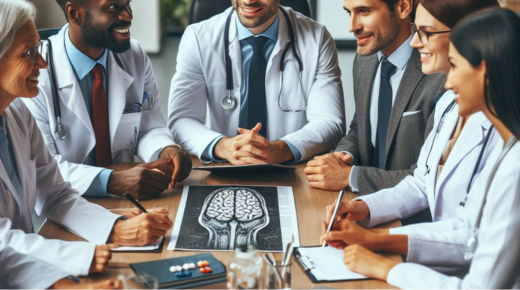
In the realm of medical science, neurologists play a critical role. They are the guardians of our nervous system, tackling conditions that threaten its integrity – think of them as the knights in shining armor, fighting the dragons known as neurodegenerative diseases. Among the slew of conditions they manage is PTSD Carlsbad, a complex and demanding disorder. In this blog, we will delve into how these medical knights rise to the challenge, illuminate their tactics, and reveal the tools they use to maintain the stronghold of our nervous system.
Understanding Neurodegenerative Diseases
Neurodegenerative diseases are like thieving thieves. They steal the normal functions of the brain and nervous system bit by bit. These conditions include Alzheimer’s, Parkinson’s, and ALS. Each disease has its own unique signs and features.
Related reading: Moringa Capsules vs. Multivitamins: What’s the Real Difference? · Why Mothers Need Mental Health Support During Pregnancy and After Birth
Role of Neurologists
Neurologists are like sheriffs in the Wild West of neurodegenerative diseases. They confront the disorder, pinpoint its location, and devise a strategy to control it. They use detailed examinations, lab tests, and complex medical imaging to make their diagnosis.
Management Methods
Managing a neurodegenerative disease is not easy. It’s like trying to tame a wild horse. Yet, neurologists use a mix of medication, rehabilitation, and lifestyle changes to help patients manage their symptoms.
| Neurodegenerative Disease | Common Symptoms | Common Treatments |
| Alzheimer’s | Memory loss, confusion, difficulty completing familiar tasks | Medication, cognitive training, lifestyle changes |
| Parkinson’s | Tremors, stiffness, balance problems | Medication, physical therapy, deep brain stimulation |
| ALS | Muscle weakness, difficulty speaking, breathing problems | Medication, physical therapy, breathing support |
Conclusion
Neurologists bear a heavy burden. They face the dragons of neurodegenerative diseases every day. Yet they stand firm, using their knowledge and skills to give patients the best possible quality of life. As we learn more about these diseases, the hope is that we can find even better ways to manage them.